Many vehicle owners who have experienced nitrogen tire inflation at auto repair shops naturally start wondering: can I fill my tires with nitrogen at home instead of paying repeated service fees at tire retailers? The simple answer is yes, technically you can inflate your tires with nitrogen in your own residential garage, but you must buy and operate proper, purpose‑built nitrogen‑inflation equipment, and you need to clearly understand all limitations, hidden costs and correct operational procedures before starting your home nitrogen‑inflation journey. Ordinary household air compressors and consumer‑level portable tire inflators cannot produce pure nitrogen gas, no matter how many filters or dryers you add, so you cannot get nitrogen‑inflation benefits using your existing standard garage air‑tools. Two realistic equipment paths exist for home nitrogen tire inflation: purchasing a pre‑filled, refillable nitrogen gas cylinder with inflation accessories, or investing in an on‑site nitrogen generator that extracts nitrogen gas from normal surrounding air. Each solution comes with unique pros, cons, learning curves and total‑cost‑of‑ownership figures for home users.
Refillable nitrogen cylinder kits are the most accessible starting point for home nitrogen tire inflation for casual users. This setup includes a high‑pressure gas tank, pressure‑control regulator, inflation hose, tire chuck and precision pressure gauge. After you buy the cylinder kit, you take the empty tank to local welding‑gas or industrial‑gas suppliers to have it refilled with high‑purity nitrogen gas. Once your cylinder is full, you can safely deflate your car tires completely, then refill them with nitrogen gas to the vehicle‑manufacturer‑recommended tire‑pressure value listed on your driver‑side door frame sticker or owner’s manual. While this method works perfectly for occasional nitrogen top‑offs, you must remember that your nitrogen supply is finite, and you will need to schedule repeated gas‑refill trips. Also, you have to follow safe high‑pressure‑gas‑cylinder storage rules inside your garage: always secure the upright tank with safety straps, avoid direct sunlight exposure and high‑temperature locations, and regularly inspect all hoses and connections for gas leaks.
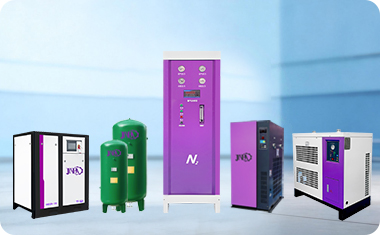
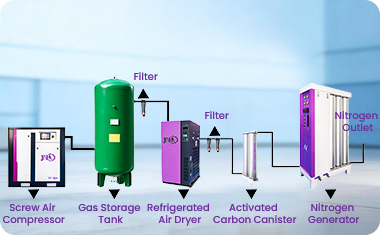
If you intend to fill tires with nitrogen at home on a regular, long‑term basis, a compact nitrogen generator will eliminate the inconvenience of cylinder refills. Home‑use nitrogen generators plug into standard household power outlets, then filter and separate nitrogen from ambient air, delivering continuous tire‑quality nitrogen gas whenever you turn the machine on. Most affordable home‑oriented generator models deliver nitrogen purity ranging between 93%‑97%, which meets industry‑accepted standards for passenger‑vehicle tire inflation. Even with proper home nitrogen‑inflation equipment, you still need to understand one critical rule: nitrogen and regular compressed air can safely mix inside tires without causing any safety hazards, but adding regular air to nitrogen‑filled tires dilutes nitrogen concentration and will erase most of nitrogen’s performance‑improvement advantages. Whether you choose a nitrogen cylinder or generator for home nitrogen inflation, you still need to inspect tire pressure on a monthly schedule. Nitrogen slows pressure loss, but nitrogen‑filled tires are not completely leak‑proof and still require routine maintenance checks. After weighing equipment costs, usage frequency and garage‑setup conditions, frequent DIY vehicle‑maintenance enthusiasts will find home nitrogen tire inflation a worthwhile investment, while occasional drivers will usually save more money by getting nitrogen inflation services at local tire shops.