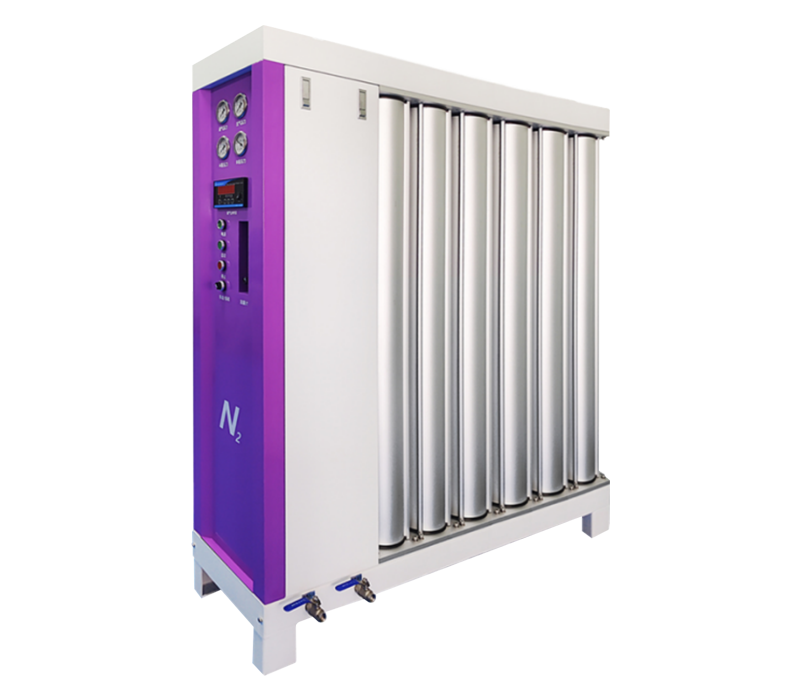
Excessive operating noise is a prevalent problem for nitrogen generators, ranging from subtle buzzing to loud rattling and banging sounds. Continuous abnormal noise not only affects the working and living environment but also indicates potential internal component faults, accelerated wear, and reduced equipment service life. Many users ignore minor noise problems in the early stage, leading to severe mechanical failures, equipment shutdown, and high maintenance costs later. Understanding the root causes of nitrogen generator noise and mastering targeted fixing methods can quickly resolve faults and restore quiet, stable equipment operation.
The first category of noise comes from loose installation and mechanical vibration faults, which are the most common and easiest to solve. Long-term continuous operation of the nitrogen generator will cause vibration, loosening the base fixing bolts, shell screws, and internal pipeline clamps. Unfixed components will collide and vibrate with the machine body during operation, generating persistent rattling noise. To fix this issue, first power off the equipment completely and place it on a flat, horizontal, solid ground to avoid uneven base vibration. Check all base fixing bolts, shell fasteners, and pipeline fixing clamps one by one, and tighten all loose parts with professional tools. For household portable nitrogen generators, place a shock-absorbing rubber pad under the machine base to reduce resonant vibration and effectively weaken operating noise.
The second main noise source is abnormal operation of core components, including air compressors, molecular sieve towers, and exhaust valves. The air compressor is the main noise-generating component of the nitrogen generator; worn compressor bearings, insufficient lubricating oil, or damaged piston parts will produce harsh buzzing and friction noise. Regularly check the compressor lubrication system, replace aging lubricating oil every 6 months, and replace worn bearings and sealing parts in time. In addition, frequent switching of the molecular sieve adsorption tower and blocked exhaust valves will cause impact noise during gas circuit switching. Clean the exhaust valve filter screen monthly to remove dust and oil dirt blockages, and replace aging valve cores that cause poor sealing and abnormal switching noise.
Air circuit pressure imbalance and foreign matter blockage also cause abnormal noise. When the generator’s internal gas pressure fluctuates sharply or the gas pipeline is blocked by dust, water scale, and oil impurities, turbulent gas flow will produce howling noise inside the pipeline. Users need to regularly clean the internal gas circuit filter element, drain accumulated water and oil in the pipeline, and check for pipeline bending and blockage. For persistent high noise that cannot be eliminated by conventional maintenance, check whether the internal molecular sieve is powdered and loose. Powdered molecular sieve will cause abnormal gas flow and collision noise during adsorption and desorption, requiring timely replacement of the molecular sieve to restore normal operation.
Daily noise prevention maintenance is crucial to avoid recurring problems. Keep the equipment clean and well-lubricated, check fastening parts and gas circuit status monthly, and avoid over-load and long-term continuous operation beyond the equipment’s rated parameters. With standardized maintenance and targeted fault fixing, users can effectively control nitrogen generator operating noise, extend equipment life, and ensure stable and low-noise operation for home and industrial use.










